
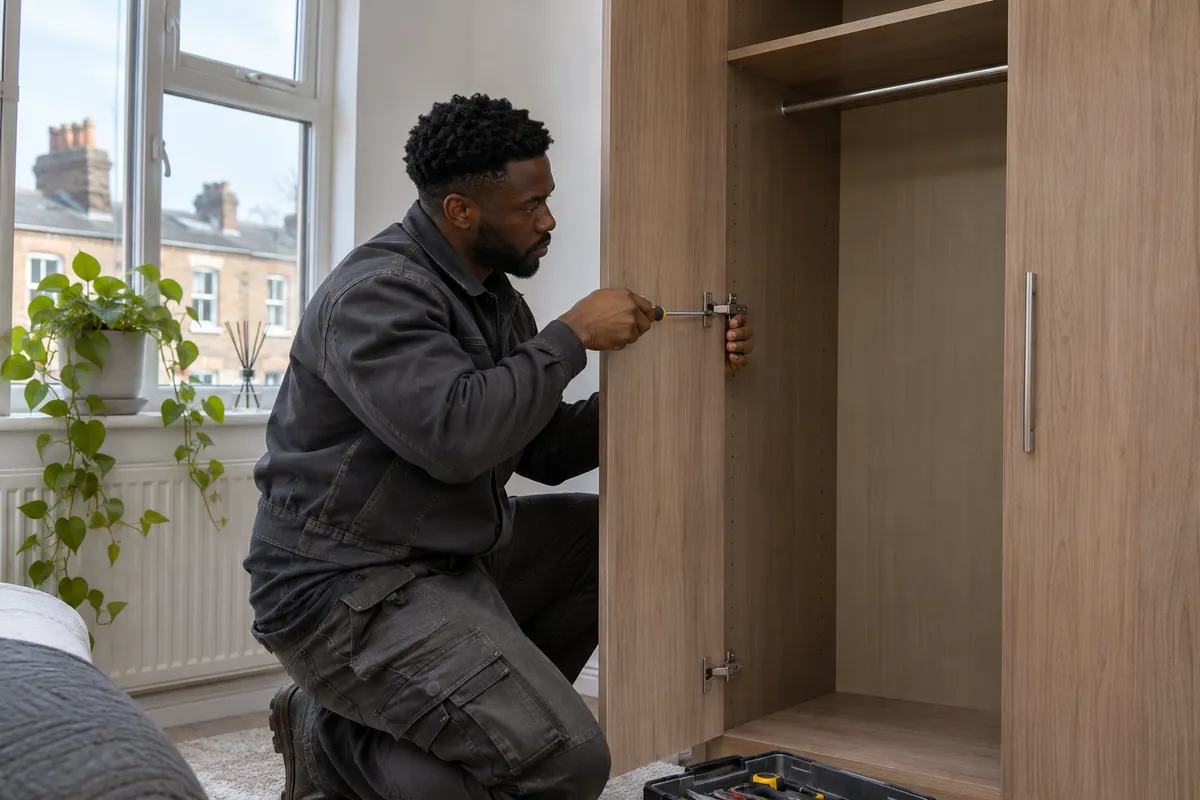
Flat pack dismantling
Furniture Disassembly in London
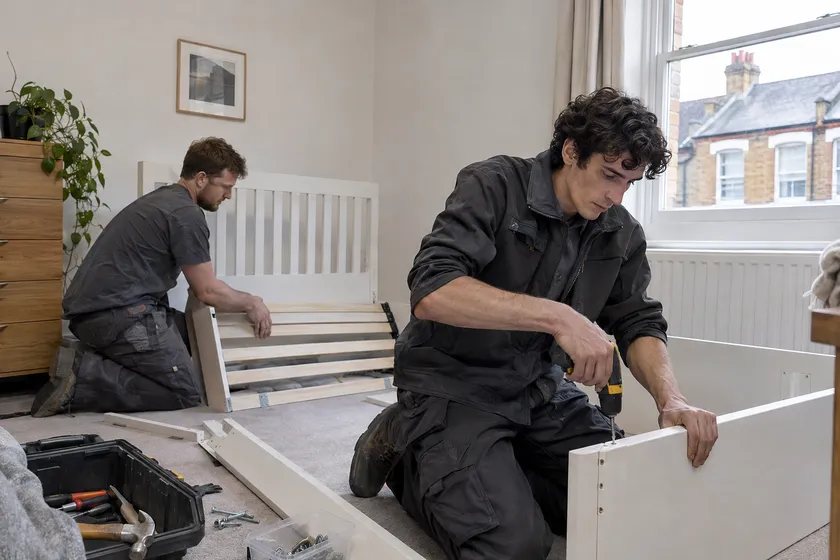
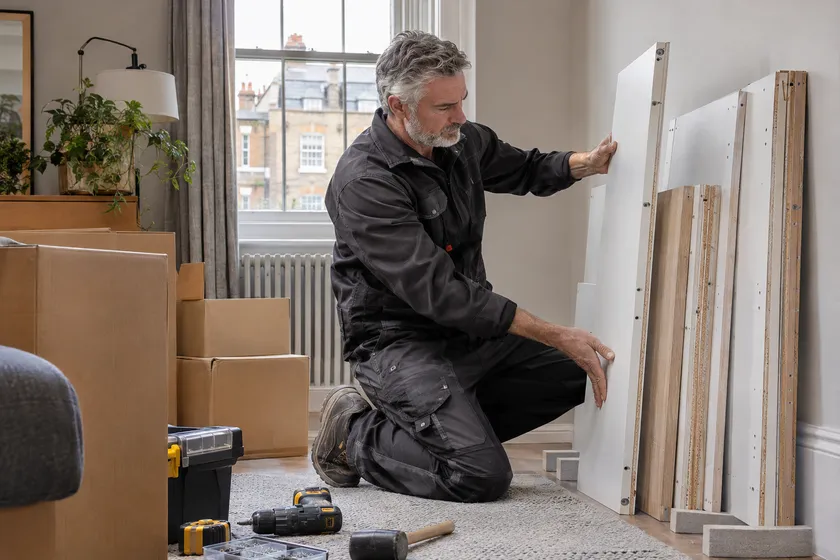
We identify how the item was joined before removing moving parts and separating the main sections. We group fasteners with the relevant panels and flag damage or joints that may affect a later rebuild.
We dismantle flat pack furniture in London. Tell us what needs taking apart, why it is being dismantled and whether the pieces need to be kept for later use.
- Wardrobes, beds and other flat packs
- Preparation for moves or room clearance
- Panels and fittings kept together
Tell us what needs to come apart
A bed frame, a wardrobe and a bookcase are held together in different ways. Tell us the model if you know it and send a photograph of the whole piece. A view of the inside is particularly helpful for wardrobes with drawers, extra rails or connected sections. Mention if the unit is fixed to a wall or joined to another piece.
If the furniture was assembled a long time ago, check for a label inside a drawer, near the back or on the original paperwork. A model name helps, but a set of clear photos is useful when the name is no longer available. Include a wider picture of the room if it is difficult to reach the sides or rear of the unit.
Let us know if there is damage, wobble or swelling around a joint. A panel that has already pulled loose can make the job different from taking apart an intact unit. Tell us if someone has started to remove doors or fixings so we can discuss what remains before the visit.
| Furniture | Details to share |
|---|---|
| Wardrobe | Door type, frame count and any wall or joining fixings. |
| Bed | Frame type, storage and whether the mattress is cleared. |
| Bookcase | Unit height, shelves and whether bays are joined. |
| Desk or table | Size and any fitted drawers, returns or panels. |
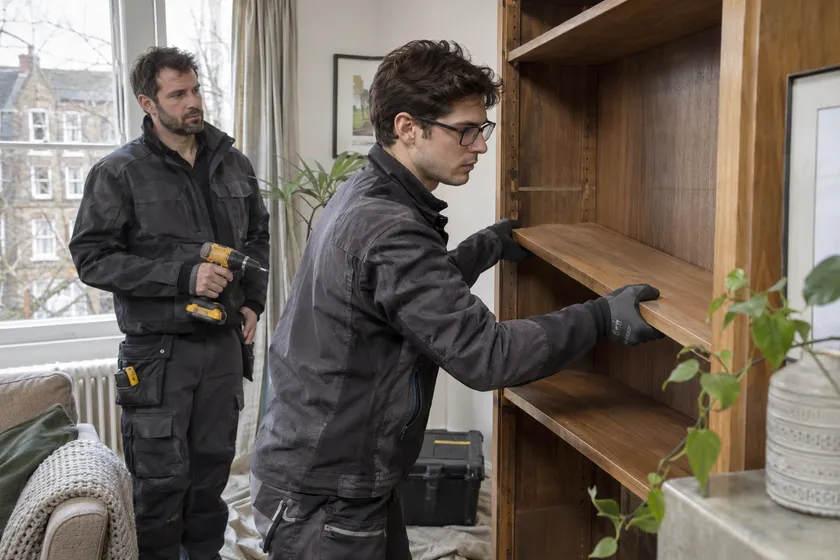
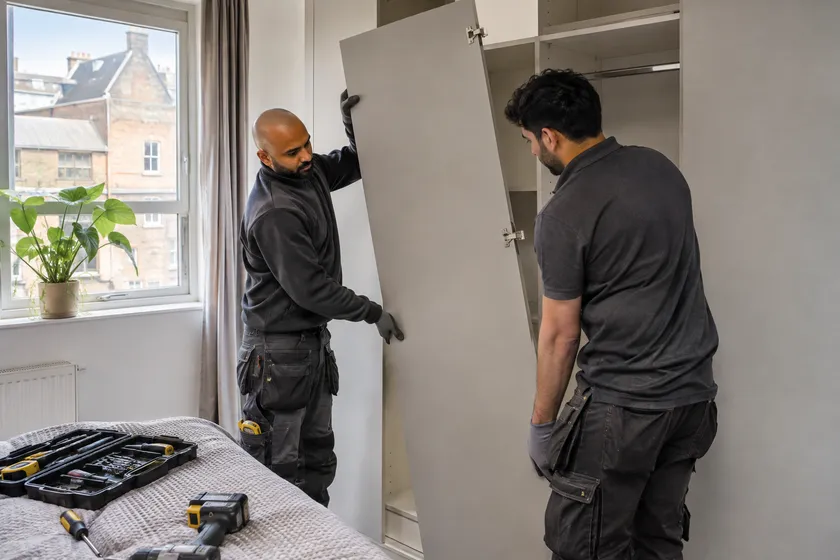
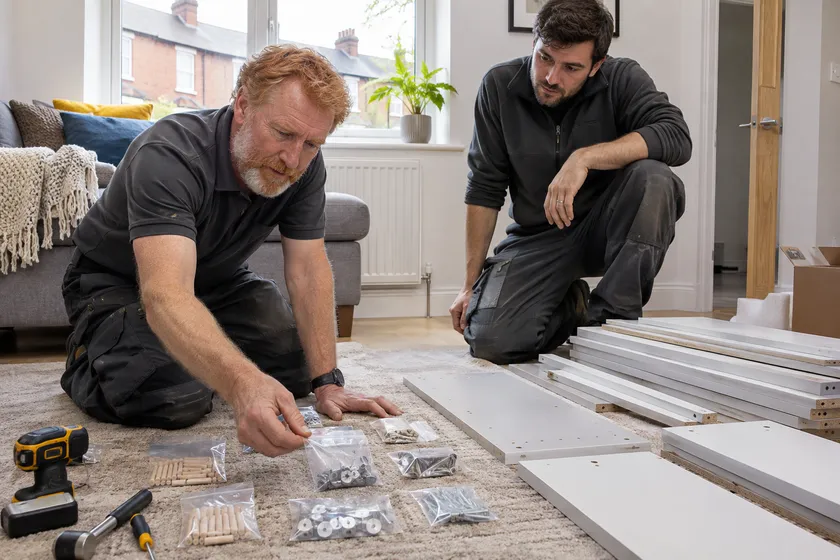
Keep, move or dispose of the parts?
Tell us why the furniture needs to be dismantled. A move creates different priorities from clearing a room for new furniture. If the parts are to be kept, have an area ready where the panels can be placed. Tell us how you would like the components grouped and provide any boxes or bags you plan to use for transport or storage.
Keep paperwork and the original assembly instructions if you have them. If someone else will rebuild the furniture, make a note of the model and keep fixings with the parts they belong to. Discuss the furniture condition first if you need to retain it. Some older flat pack units may already have wear around the fasteners, especially after being moved before.
If the furniture is being discarded, you will need to arrange its removal separately. Let us know where you need the dismantled pieces left at the property. If an independent removal team is booked, tell us when they are expected and check where they can collect the pieces.
- Empty cupboards, shelves and drawers before the visit.
- Send wide photos and close views of any fixings you can see.
- Flag mirrored doors, damaged panels and any attached units.
- Explain what will happen to the pieces after dismantling.
Prepare space around the furniture
Clear possessions from the unit, including things stored above wardrobes or under a bed. Leave enough space for doors, shelves and long panels to be lowered without moving around other furniture. If a bedroom is crowded, send a picture showing the available floor area and route out of the room.
Tell us about the size and layout of the piece. A tall cabinet in a narrow alcove may have different access from a freestanding cabinet in the middle of a room. Mirrored doors and large headboards may need extra space around them. If there is a nearby radiator, recessed wall or low ceiling, point it out when asking for a quote.
If dismantling is part of a move, arrange your transport around the job. Give us the date you need the furniture taken apart and tell us if another company needs to collect it. Ask about the timing when you enquire, particularly if you need several large items cleared from different rooms.
| Area | What to check |
|---|---|
| Inside the furniture | Remove possessions and loose objects. |
| Around the unit | Clear space for doors, rails and large panels. |
| Route out | Mention tight corners or any restrictions on access. |
| Where parts will go | Identify a place to group panels and fittings. |
Information for a dismantling quote
Send the postcode, number of items and a photo of each piece. Where possible, include the make and model, the size and any attached components. Let us know if the item has previously been dismantled or repaired and whether any fasteners have already been removed. Photos help us see the difference between a freestanding flat pack and furniture fixed in place.
A group of furniture can be described room by room. For a bedroom, note whether the bed and wardrobe both need dismantling. For a home office, list the desk, its separate return and any attached cabinet. Include photos where furniture shares panels or where a long unit is made from smaller connected sections.
If you want new flat pack furniture assembled at the property as well, send that order separately from the list of old items. Tell us which room each new piece will go in and where you plan to leave the dismantled parts. We can then discuss both requests using the correct item lists.
| Factor | What to send |
|---|---|
| Furniture | Photos, model and item count. |
| Attachments | Wall fixings, connected frames or drawer assemblies. |
| Condition | Damage, missing parts or previous repairs. |
| After dismantling | Whether components are being stored, moved or removed. |
What to discuss with the assembler on arrival
Show us the furniture and explain what you want to keep. If there are items that should stay in place, point them out, especially where units look as if they are joined. Show where the panels can be laid down and tell us if you have arranged a removal company. If the furniture has doors with glass or mirrors, mention them again so there is space for those parts.
At the end of the visit, check that the components are where you expected. If you are keeping the parts, keep the fixings and the original instructions together. If the piece was already damaged, note which parts are affected before moving it to storage. Let the people handling the panels know which pieces contain glass or are unusually long. If you are keeping the furniture for another room, note the order in which it is coming apart. This can make it easier to identify the outer panels, drawer runners and corner fittings when you come to sort the pieces later.
For pieces with similar panels, record which furniture they came from before they go into storage. That is especially helpful when two wardrobes have the same finish but different widths. If a removal company is collecting everything, identify the parts you intend to keep so they stay with the right set of components.
Furniture disassembly FAQs
Can you dismantle an old flat pack wardrobe?
Yes. Send photos, the model if known and whether it has wall fixings, sliding doors or more than one frame.
Can I leave clothes and books inside?
Please empty the furniture before the visit so the panels and fittings can be reached.
Will you remove the dismantled furniture?
Arrange a separate removal service if you want to discard the pieces. Tell us where you want them left at the property.
What if I want to use the furniture again?
Tell us before booking and share its condition. We can discuss the dismantling job and what to keep with the panels.
What happens to fittings that cannot be reused?
We identify affected pieces and explain what may need replacing before the furniture can be reassembled.
Request a furniture dismantling quote
Send your postcode and photos of the pieces. Include any wall fixings, damage or parts you need to keep.